BUCK ROGERS

IN THE 25TH CENTURY


1946 BUCK ROGERS U-235 ATOMIC PISTOL.-- ONE OF THE FEW THINGS FROM
MY CHILDHOOD. TEN YEARS LATER IT WAS D. T. SUZUKI'S ZEN BUDDHISM
.[1]

(for ray gun info click image)


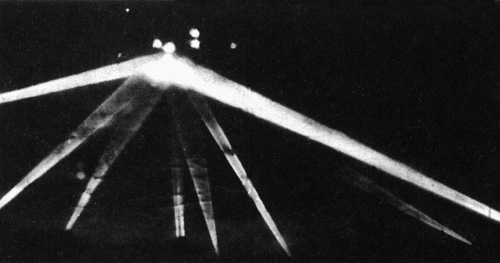
BATTLE OF LOS ANGELES, 1942.-- 800 FOOT ZEPPELIN-SIZE UFO
FLEW DIRECTLY OVER THE TOP OF THE WANDERLING'S HOUSE.

(please click)


L.A. UFO?---WHAT WHAT ONE MAN DESCRIBED SEEING FACE-ON
AT LOW ALTITUDE AND OUT OF THE GLARE OF SEARCHLIGHTS

(please click)


AS A KID I ALWAYS PICTURED THE ROSWELL OBJECT LOOKING
LIKE FLASH GORDON'S ROCKETSHIP DISSIPATING A STRING OF
QUICKLY- EXTINGUISHING GLOWING PARTICLES IN- IT'S- WAKE.

(click image)


(click image)


THE ONLY OTHER THING FROM MY CHILDHOOD
A- 1942- CAPTAIN MIDNIGHT DECODER- BADGE

---(please click)


RETURN TO:

THE WANDERLING, CONTINUED


SKIPPING ROCKS WITH EINSTEIN


VIKINGS OF THE DESERT SOUTHWEST


ROSWELL UFO


ZEN ENLIGHTENMENT IN A NUTSHELL


...Allans Greatest Websites on The Internet
[ Join Now | Ring Hub | Random | << Prev | Next >> ]


E-MAIL
THE WANDERLING

(please click)


1942-1944 CAPTAIN MIDNIGHT Photomatic Code-O-Graph


-------------------------

The Captain Midnight decoder badge called the Photomatic Code-O-Graph was distributed during the war years 1942-1944. Because of the metal shortage it was produced with enough overproduction early on so the same design could continually be issued throughout the war without the necessity of a new design created yearly as initially intended. The design allowed the owner to insert a photo of themself in a small open square at the top of the badge, replacing the photo of Captain Midnight that came with it. The idea for doing so was to create a personalized identification badge like those used in defense plants of the era. Once the picture of Captain Midnight was removed and the owner substituted it with a picture of their own, they were supposed to push down the four metal tabs at each of the corners so it could not be removed. (source)


Several years ago my younger brother, while cleaning out his attic one day, discovered a long forgotten cardboard box of stuff stashed away that at one time belonged to me. Among the contents of the box was a beat up copy of ZEN BUDDHISM: Selected Writings of D.T Suzuki (New York: Anchor Books, 1956), a book that had not seen the light of day in at least 20 years. The pages were faded and worn. Corner after corner of pages folded down. Pencil notes all over the margins and inside the covers. Sentences were underlined in ink. Whole paragraphs were highlighted in a now barely discernible yellow.

My brother reminded me of how I used to carry that book around like a bible my last two years of high school and several years afterward. Anytime anybody said anything about anything out would come my book...always ready with a "Zen answer."

As I turned those crumbling pages for the first time in over 20 years, the notes, the underlining, the highlights, all seemed so odd. Going back I remembered how I met my Mentor. He had studied under the Baghavan Sri Ramana Maharshi at his ashram between the wars. When I saw him the first time I was set aback by the calm serenity he seemed to abide in. I begged him to "make me like him." Time after time he brushed me off. Finally, thinking he would never get rid of me he began to make a few suggestions. He told me about Vihangam Marg, The Bird's Way; he urged me to buy and read Suzuki's book; he sent me to study under Yasutani Hakuun Roshi. But nothing. I spent months and months half a world away nearly on the roof of the world Doing Hard Time in a Zen monastery. Still not the breakthrough he expected. Back in the states he arranged for me to study-practice under the mysterious and anonymous American Zen master Alfred Pulyan. Close, very close.


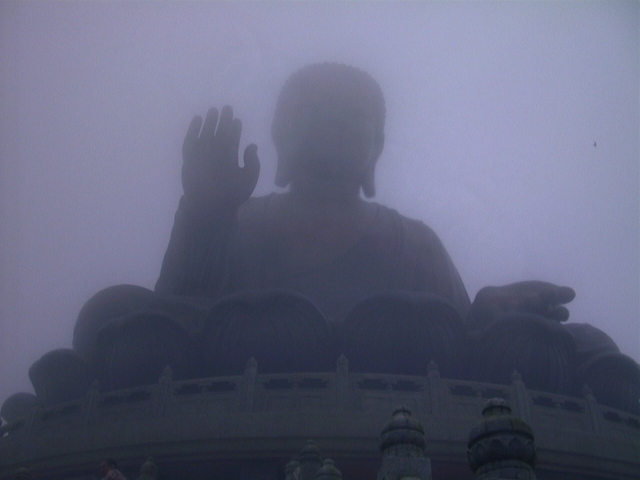
Fundamentally, our experience as experienced is not different from the Zen master's. Where
we differ is that we place a fog, a particular kind of conceptual overlay onto that experience
and then make an emotional investment in that overlay, taking it to be "real" in and of itself.


(PLEASE CLICK)


ZEN BUDDHISM: Selected Writings of D.T Suzuki